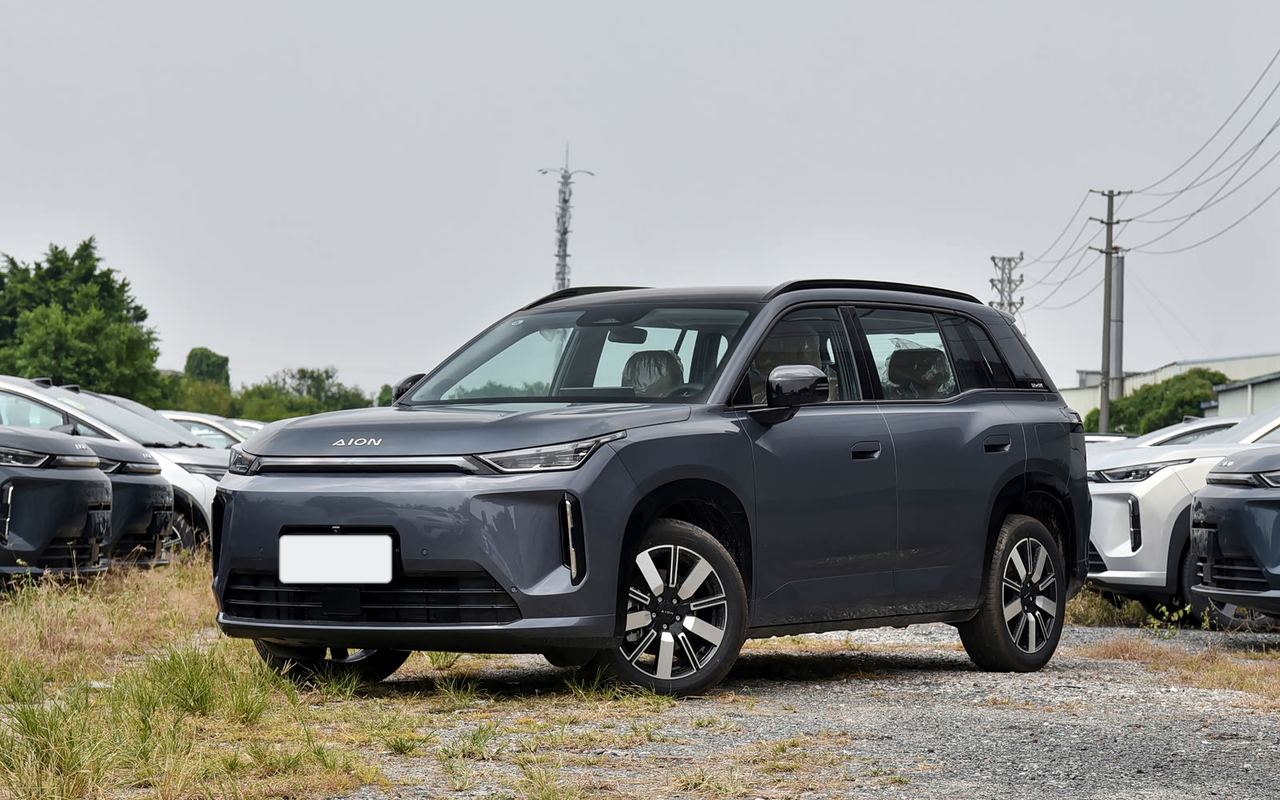
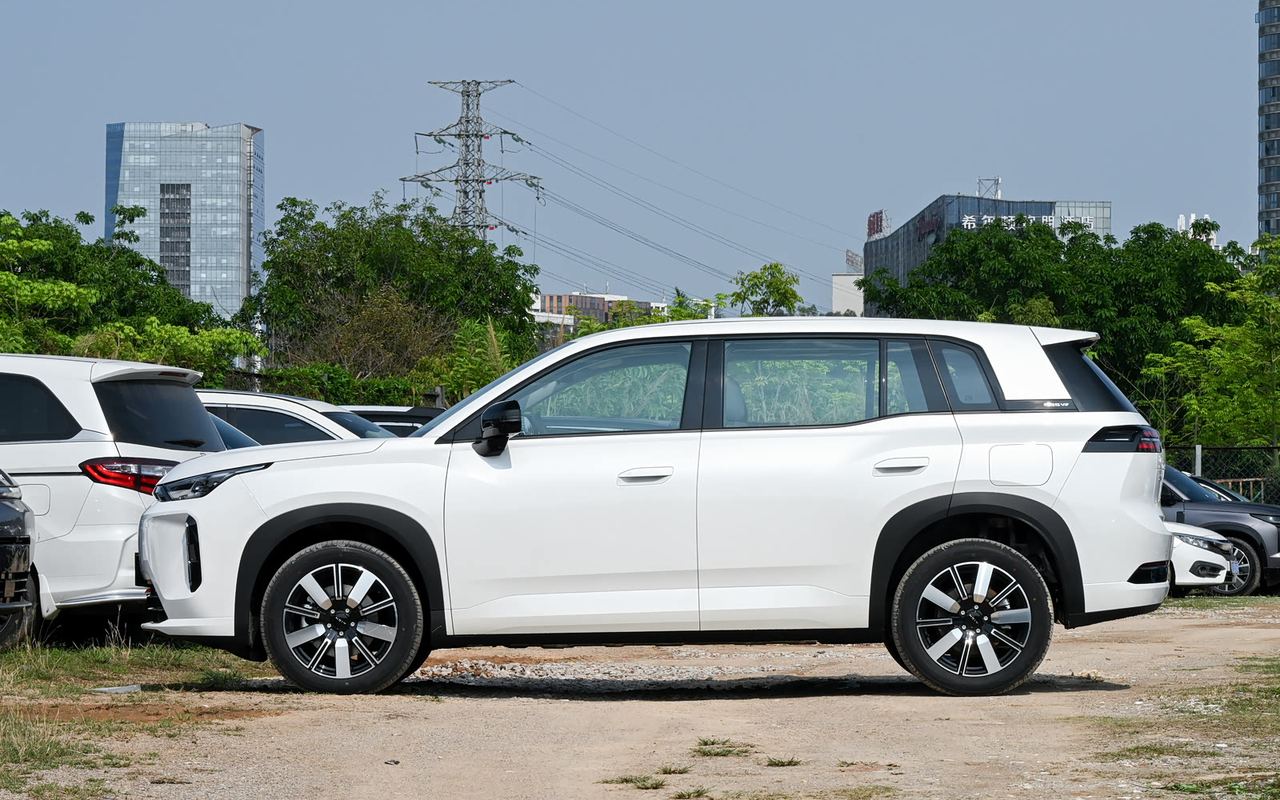
Built for Every Road: How the AION i60 Handles Diverse Global Driving Conditions
The AION i60 was built for China, a country with desert heat, northern winters and mixed road quality. Here is what its hardware means for hot, cold and rough-road export markets, and where buyers should plan carefully.
By EVtoU
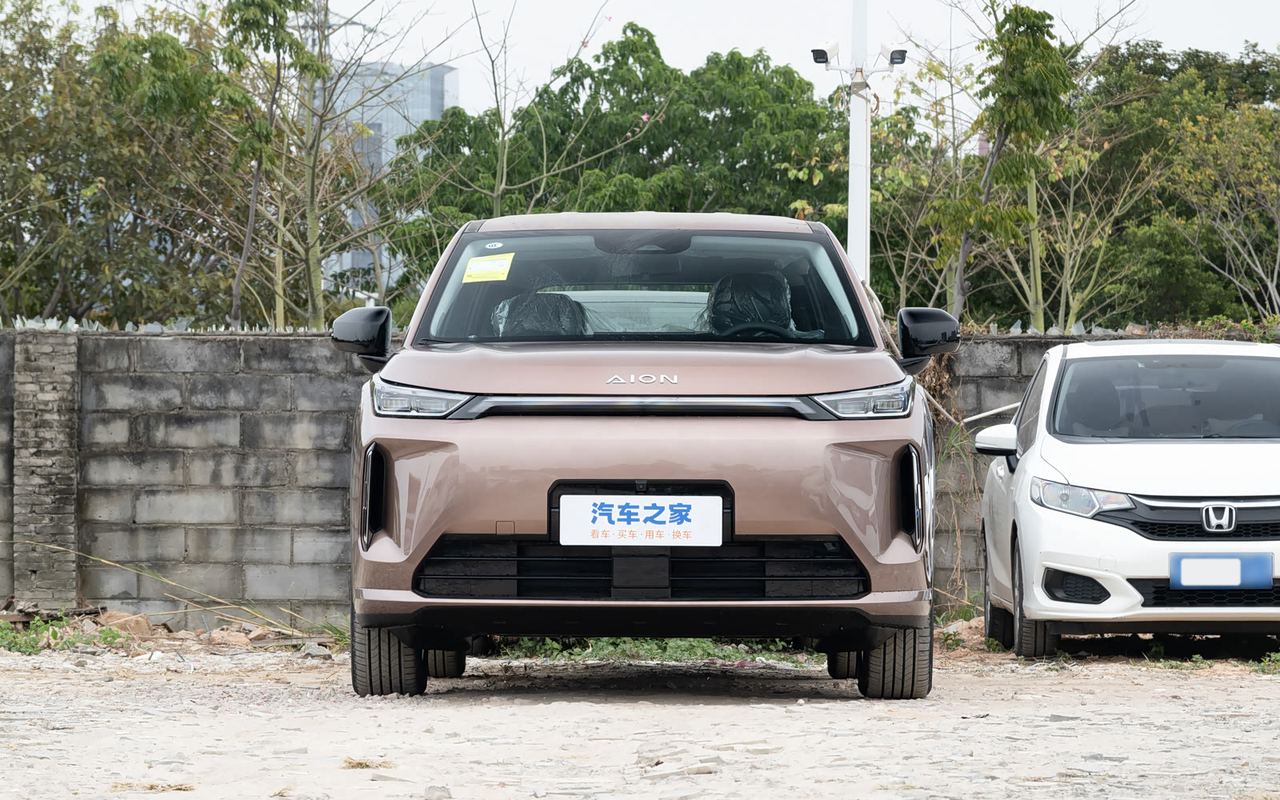
Short answer: the AION i60 has the hardware to cope with a wide range of conditions: a liquid-cooled LFP battery, battery preheating on every trim, independent suspension front and rear, and an EREV option that runs its generator engine on common 92-octane petrol. It is still a road-going compact SUV with front-wheel drive, not an off-roader, and range will fall in extreme heat or cold. Plan around those limits and it fits most export markets.
We have not run our own climate tests on the i60, so this article explains what the specification means in practice and what to check. It does not replace a local test drive or homologation check.
How does the i60 handle extreme heat?
In hot markets such as the Gulf, the main concerns are battery temperature and air conditioning load. The i60's battery is liquid-cooled, which helps keep cells within their working range while driving and fast charging. LFP chemistry is also generally regarded as more thermally stable than nickel-based cells.
- Expect lower range when the air conditioning runs hard all day; plan routes on real-world figures, not CLTC ratings.
- Use remote start through the app to cool the cabin before the driver gets in, where the app works in your market.
- Park in shade or under cover where possible and avoid leaving the car at 100% charge in the sun for long periods.
- Fast charging may slow on very hot days as the car protects the battery.
Buyers in the region can read our Saudi Arabia market guide and UAE market guide.
What about cold winters?
All batteries lose usable range in the cold, and LFP is more affected than some other chemistries. Every i60 trim has battery preheating, which warms the pack before charging or driving so power and charging speed recover sooner. In very cold markets such as Russia and Kazakhstan, the EREV is often the safer choice: when the battery is low or cold, the petrol generator keeps making electricity, so the car keeps moving and the cabin stays heated.
Ask your local importer about cold-climate requirements such as winter tyres, coolant specification and any heating equipment rules before you order for a northern market.
Can the i60 cope with rough roads?
On broken tarmac and gravel, the i60's layout helps: MacPherson front and five-link independent rear suspension, ventilated front discs with rear discs, ESC and hill descent control. Approach and departure angles are 17° and 23°. It is front-wheel drive only, so it suits towns, highways and graded dirt roads, not deep sand, mud or rock.
| Road type | i60 suitability | Advice |
|---|---|---|
| City and highway | Good | Standard use |
| Potholed urban roads | Good | Consider 18-inch wheels over 19-inch for more tyre sidewall |
| Graded gravel and dirt | Fair | Drive at lower speed, inspect underbody and tyres often |
| Deep sand, mud, rock | Not suitable | Choose a 4x4 vehicle |
Most trims use 215/55 R18 tyres, with 225/45 R19 on some trims or as an option. The 18-inch size is the better pick for rough roads and is easier to replace in many markets.
Will the EREV run on local fuel?
The EREV's 1.5 L engine is specified for 92-octane petrol and has a 50 L tank. 92-octane (RON) petrol is common in many markets in Africa, the Middle East and Central Asia, which helps. Buyers should still check two points: that local 92 is truly that grade, and that fuel is stored and sold cleanly. Poor or contaminated fuel harms any engine. If only lower-octane fuel is available, ask us before ordering. Local pump grades and prices can be checked on GlobalPetrolPrices.
What about charging and the power grid?
The i60 uses the Chinese GB/T charging standard, and many markets use CCS2 and Type 2. We discuss charging solutions per market. Where the grid is unstable, slow AC charging at a depot with proper protection is safer than relying on public fast chargers. The EREV removes the risk of being stranded, and the 6 kW vehicle-to-load output can run tools or lights during a power cut.
Which i60 version suits which climate?
- Hot climate, good charging: BEV, such as the 2026 530 Standard.
- Cold climate or long distances: EREV, such as the 2027 1738 EREV.
- Hot climate, comfort focus: the 2026 210 Advanced EREV with ventilated front seats.
The i60 is left-hand drive only. For deeper detail on the battery, read our battery and charging deep dive. Country notes for Ghana, Algeria and other markets are in our market guides.
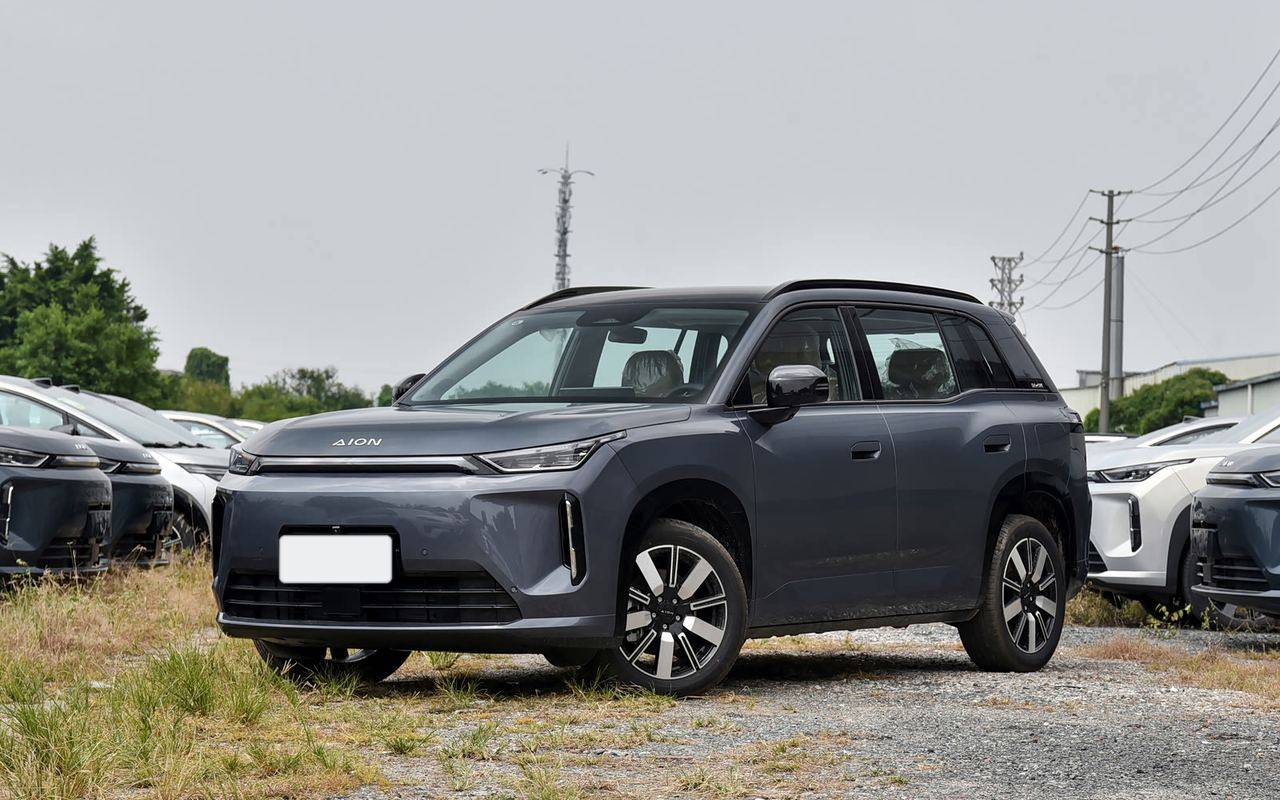
2027 · Range-extended (EREV) · LHD
GAC AION i60 2027 1738 Super EREV
- Total range
- 1,738 km
- Battery
- 45.37 kWh
- Power
- 160 kW
Export price
Price on request
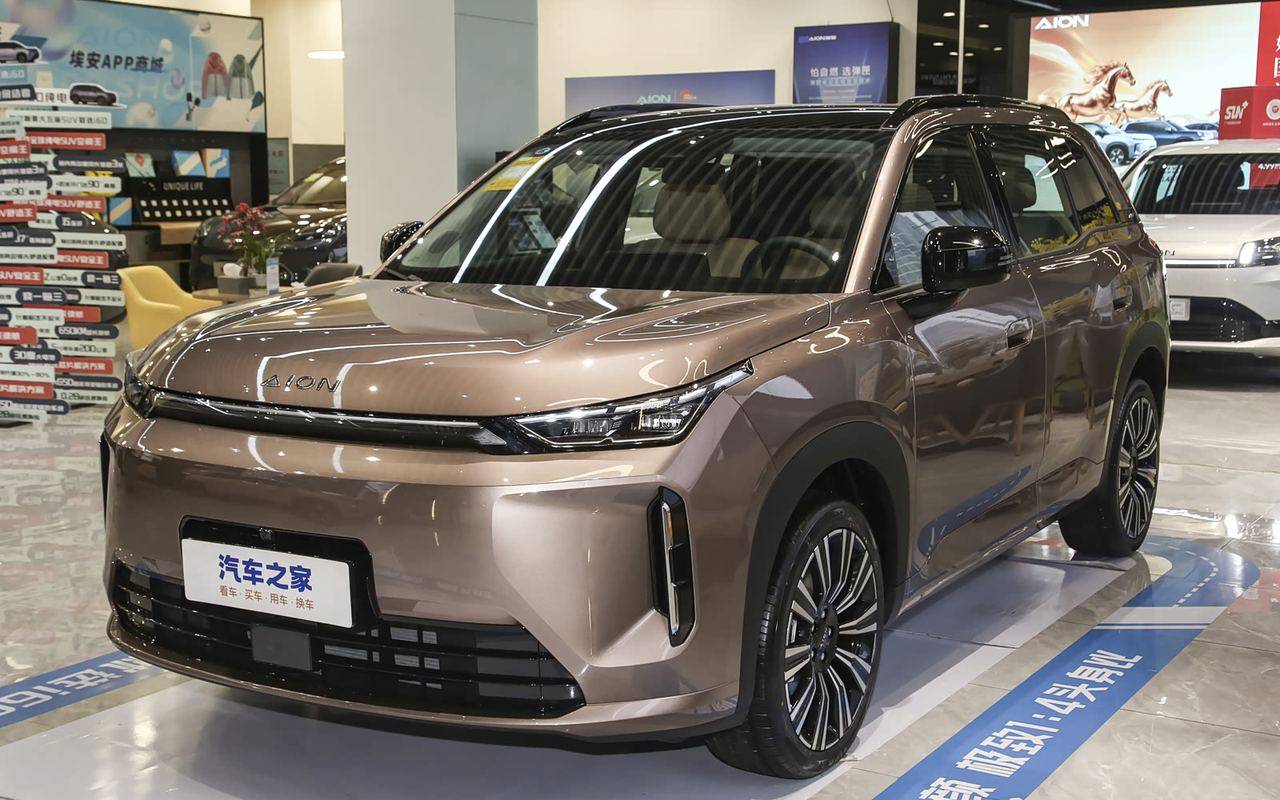
2026 · Range-extended (EREV) · LHD
GAC AION i60 2026 210 EREV Advanced
- Total range
- 1,240 km
- Battery
- 29.165 kWh
- Power
- 180 kW
Export price
Price on request
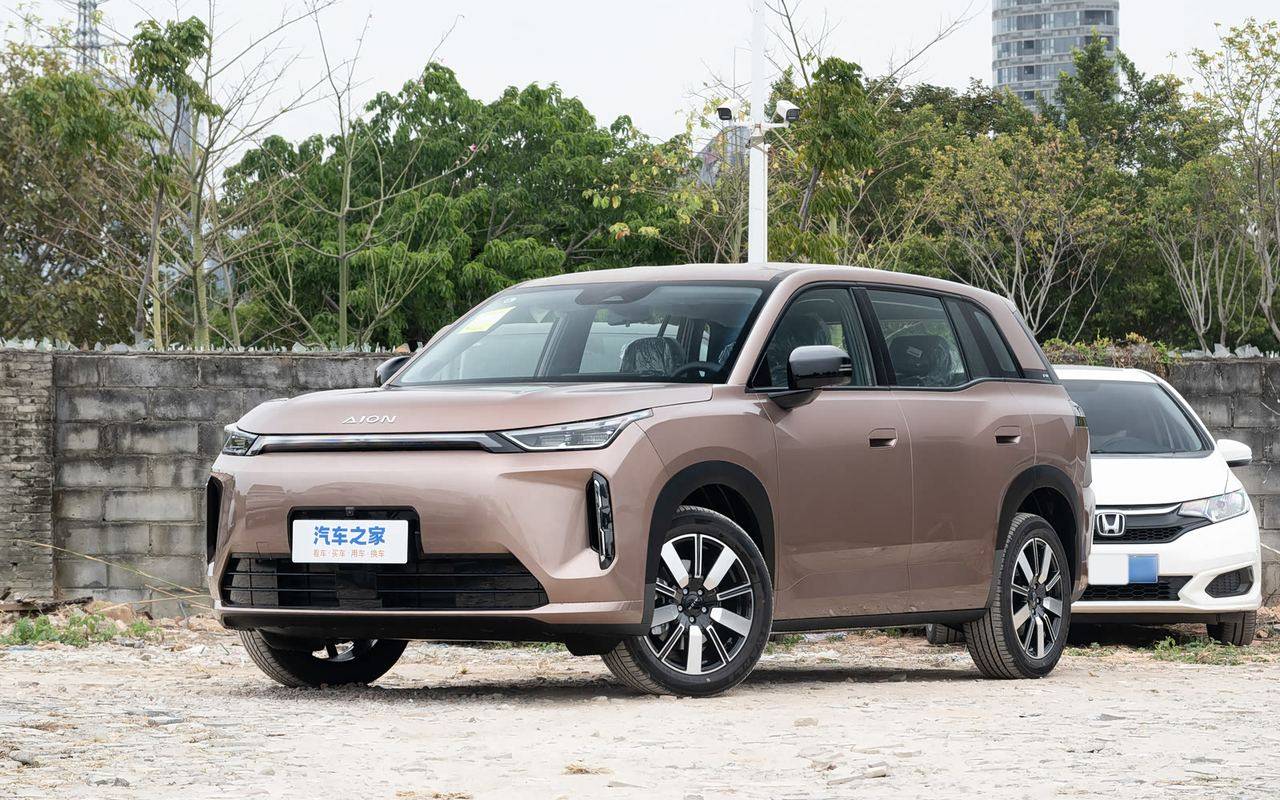
2026 · Electric (BEV) · LHD
GAC AION i60 2026 530 Standard
- Range
- 530 km
- Battery
- 62.268 kWh
- Power
- 150 kW
Export price
Price on request