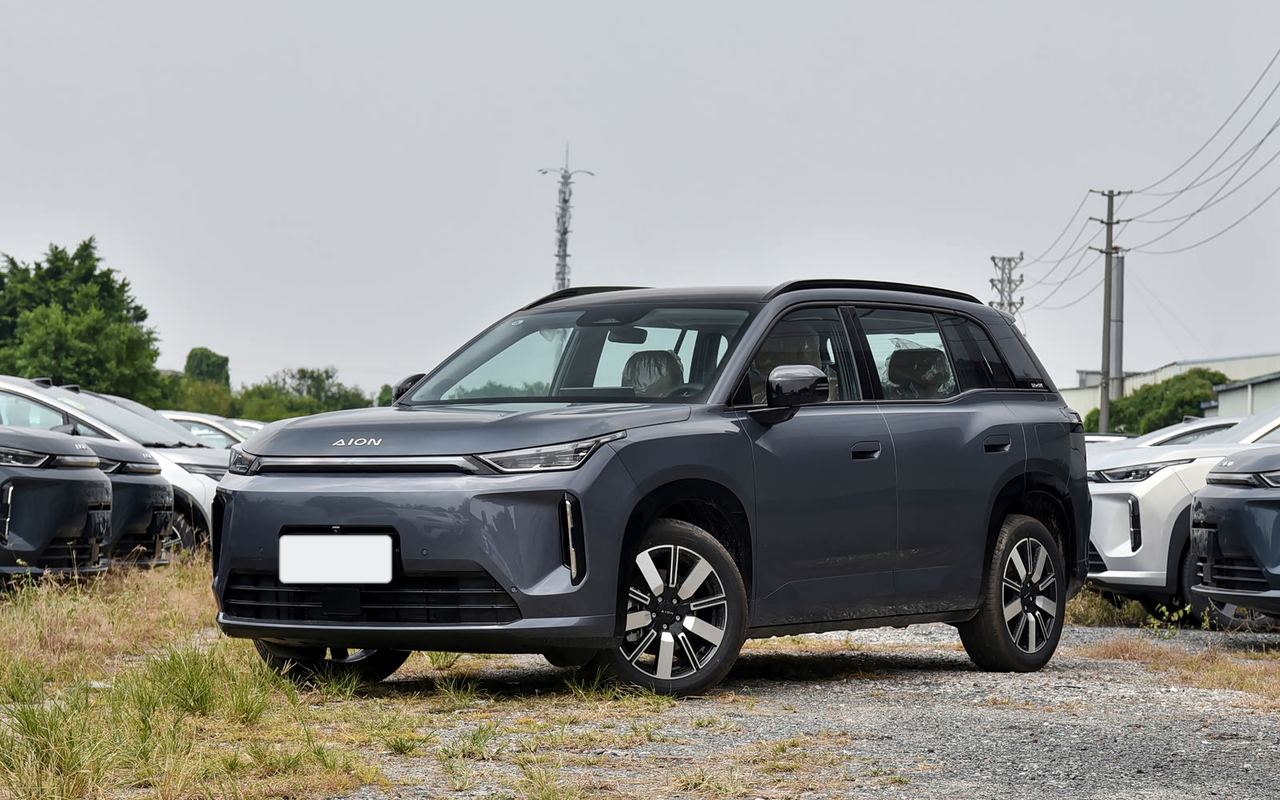
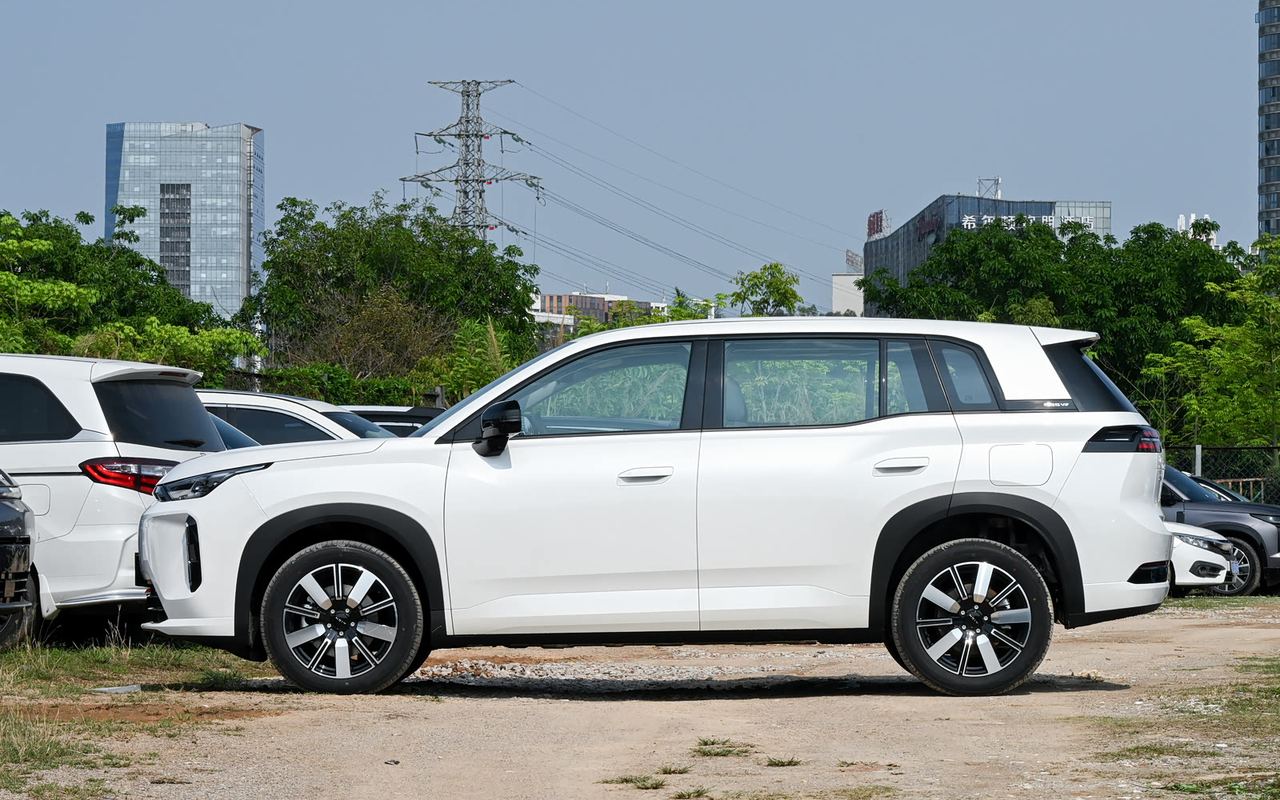
AION i60 vs. Traditional Gas SUVs: How Much Can You Really Save?
Savings depend on your electricity and petrol prices, not on a headline number. Here is a step-by-step formula, a worked example with clearly labelled assumptions and the costs that sit outside the energy bill.
By EVtoU
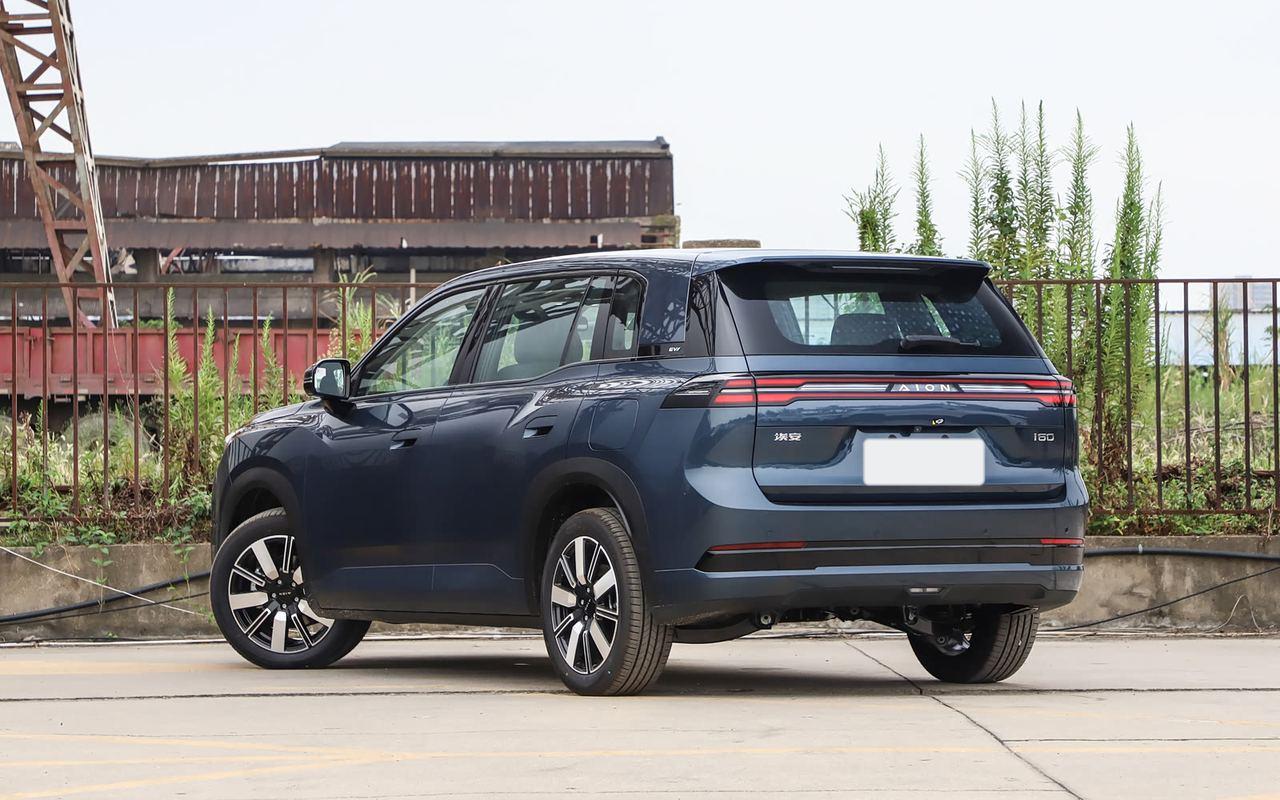
Short answer: the AION i60 BEV uses 12.0–12.8 kWh per 100 km, so its energy cost per kilometre is usually a fraction of a petrol SUV's where electricity is cheaper than petrol per unit of energy. How much you save depends on three local numbers: the electricity price, the petrol price and the distance you drive. The method below lets you work it out in five minutes.
We do not quote one savings figure for every market, because energy prices differ widely between countries and change often. Every price in the example below is an assumption for illustration only. Replace them with your own figures.
Which numbers do you need?
| Input | Value used here | Source |
|---|---|---|
| i60 BEV energy use | 12.8 kWh/100 km | Manufacturer rating (upper end of 12.0–12.8) |
| i60 EREV energy use, electric mode | 16.8 kWh/100 km | Manufacturer rating (upper end of 16.7–16.8) |
| i60 EREV fuel use, low battery | 4.95 L/100 km | 2027 1738 EREV, WLTC rating |
| Charging losses | 10% | Assumption |
| Petrol SUV fuel use | 8.0 L/100 km | Assumption for a comparable petrol compact SUV |
| Electricity price | 0.15 per kWh | Assumption, in your local currency unit |
| Petrol price | 1.00 per litre | Assumption, in your local currency unit |
| Annual distance | 30,000 km | Assumption for a private or light fleet car |
Use a recent pump price from a public source such as GlobalPetrolPrices, and your actual tariff for electricity. A fleet charging at a commercial tariff or on public fast chargers will pay more per kWh than a home or depot on a night rate.
How do you calculate the BEV energy cost?
Formula: cost per 100 km = kWh/100 km × (1 + charging losses) × electricity price.
Example: 12.8 × 1.10 × 0.15 = 2.11 per 100 km. The petrol SUV costs 8.0 × 1.00 = 8.00 per 100 km. The gap is 5.89 per 100 km, so at 30,000 km a year the BEV saves about 1,766 currency units on energy. A taxi running 100,000 km a year would save about 5,888 on the same assumptions.
How do you calculate the EREV cost?
The i60 EREV runs on battery power first, then its 1.5 L engine generates electricity. Your cost depends on the share of distance driven on charged battery energy, which we call the electric share.
Formula: cost per 100 km = electric share × kWh/100 km × (1 + losses) × electricity price + (1 − electric share) × L/100 km × petrol price.
Example with an assumed 60% electric share: 0.6 × 16.8 × 1.10 × 0.15 = 1.66, plus 0.4 × 4.95 × 1.00 = 1.98, gives 3.64 per 100 km. Against the petrol SUV that saves 4.36 per 100 km, or about 1,307 a year at 30,000 km. Drivers who charge every night and mostly stay within the 350 km CLTC electric range (280 km WLTC) of the 2027 EREV will see a higher electric share and lower cost.
| Vehicle | Energy cost per 100 km | Annual energy cost (30,000 km) |
|---|---|---|
| Petrol compact SUV (assumed 8.0 L/100 km) | 8.00 | 2,400 |
| AION i60 EREV (assumed 60% electric share) | 3.64 | 1,093 |
| AION i60 BEV | 2.11 | 634 |
Manufacturer ratings come from test cycles. Real use is often higher, especially at motorway speeds, in heat with the air conditioning on, or in cold weather. Run the formula a second time with energy use 15–20% higher to see a cautious case.
Which other costs change between an EV and a petrol SUV?
- Servicing: the BEV has no engine oil, spark plugs, timing parts or exhaust. The EREV still has an engine to service, but it works as a generator, not a road engine.
- Brakes: regenerative braking does much of the slowing in traffic, which usually reduces pad wear.
- Tyres: the i60 uses 215/55 R18 on most trims; tyre cost is similar to a petrol SUV of the same size.
- Charging equipment: the i60 uses the Chinese GB/T standard, so include adapters or a charging unit for your market in the budget. We discuss charging solutions per market.
- Import duty and registration: some countries tax EVs, hybrids and petrol cars differently. Check your market notes before you compare.
- Resale and warranty: Chinese-market warranty terms do not transfer to export buyers; agree cover in the sales contract.
When is the saving smallest?
The gap narrows where petrol is subsidised and cheap, where electricity is expensive or mostly bought on fast chargers, and for cars that drive few kilometres a year. In those markets the EREV, which can refuel anywhere with 92-octane petrol, can be the more practical choice. High-mileage users such as taxis gain the most, as our fleet and taxi guide explains.
How do you turn this into a buying decision?
Add the landed cost of the car to five years of energy and service costs, then compare. Your landed cost starts with our FOB or CIF quote; see how an import quote is built. Compare battery sizes on the AION i60 catalogue and fleet terms on our fleet solutions page. If you share your local prices with us via the contact page, our team can run the numbers with you.
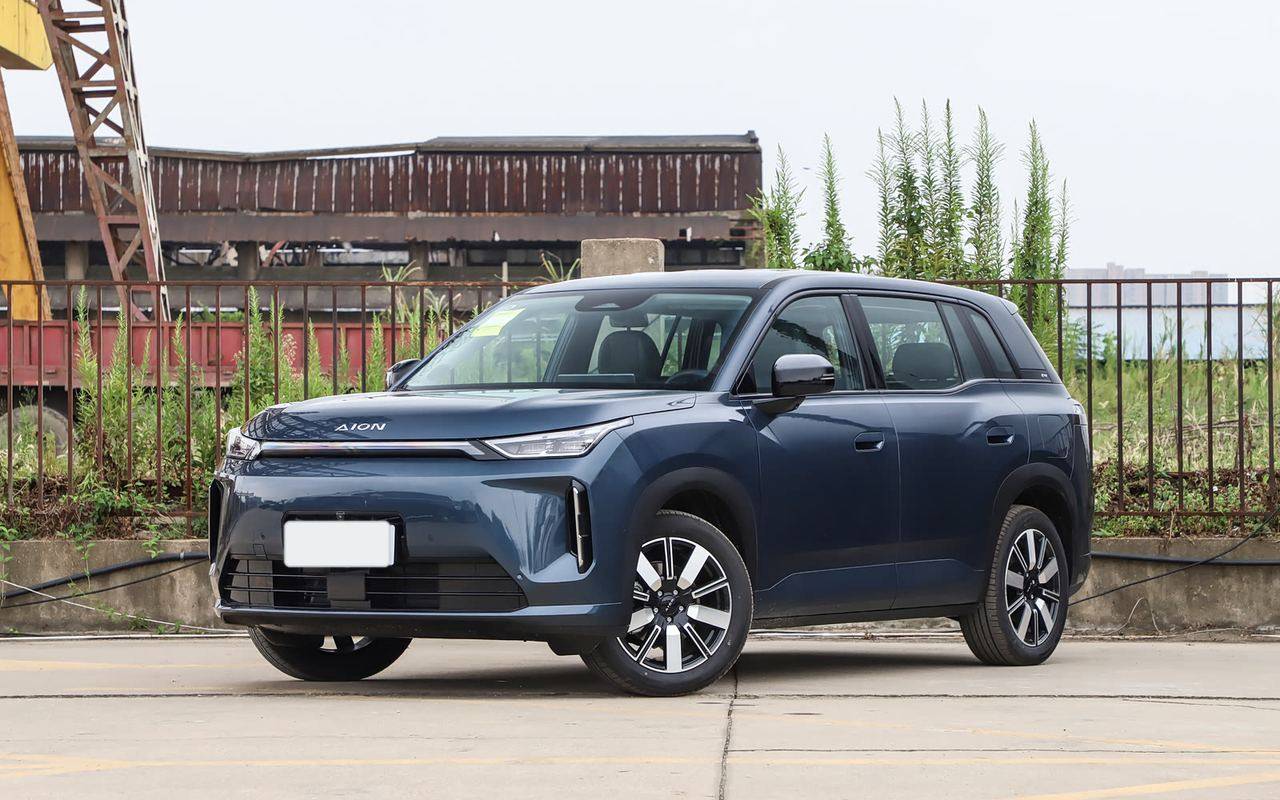
2027 · Electric (BEV) · LHD
GAC AION i60 2027 520 CATL
- Range
- 520 km
- Battery
- 56.68 kWh
- Power
- 165 kW
Export price
Price on request
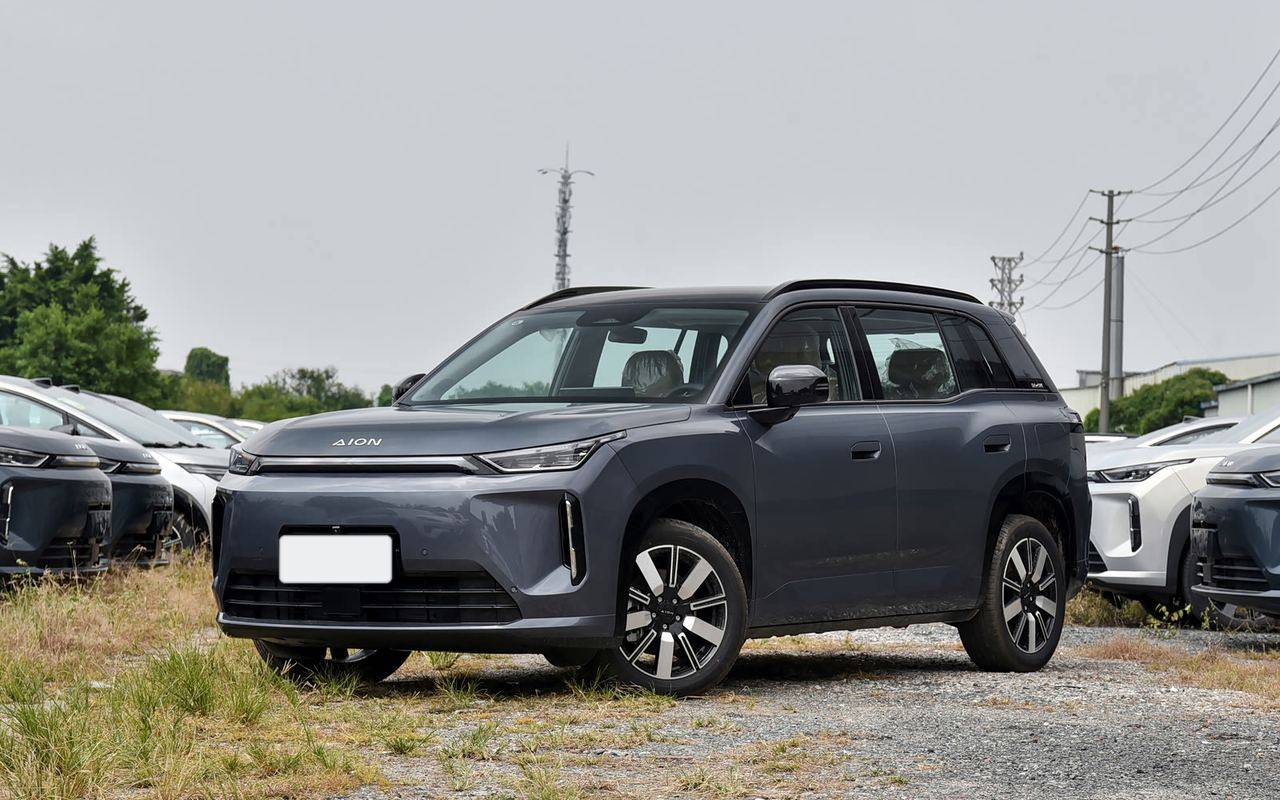
2027 · Range-extended (EREV) · LHD
GAC AION i60 2027 1738 Super EREV
- Total range
- 1,738 km
- Battery
- 45.37 kWh
- Power
- 160 kW
Export price
Price on request
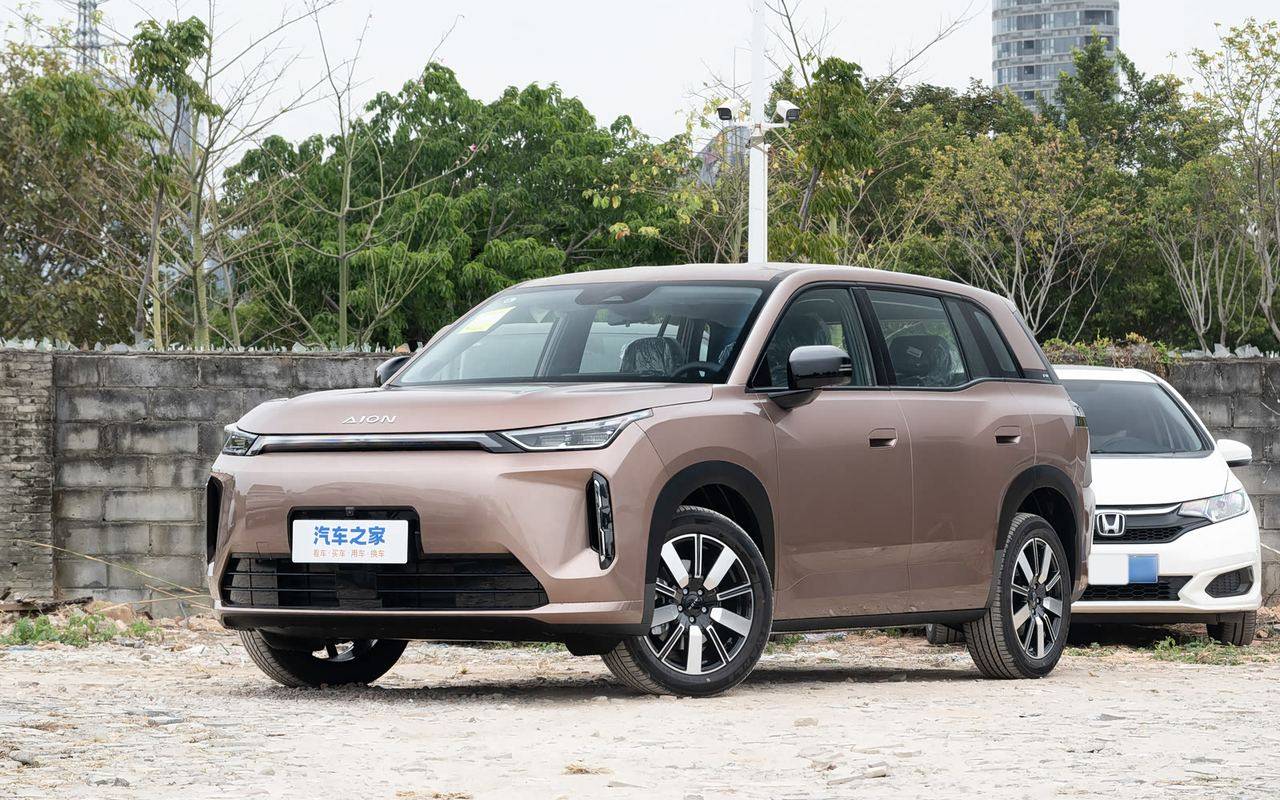
2026 · Electric (BEV) · LHD
GAC AION i60 2026 530 Standard
- Range
- 530 km
- Battery
- 62.268 kWh
- Power
- 150 kW
Export price
Price on request