How Many AION i60 SUVs Fit in a 40ft High Cube Container?
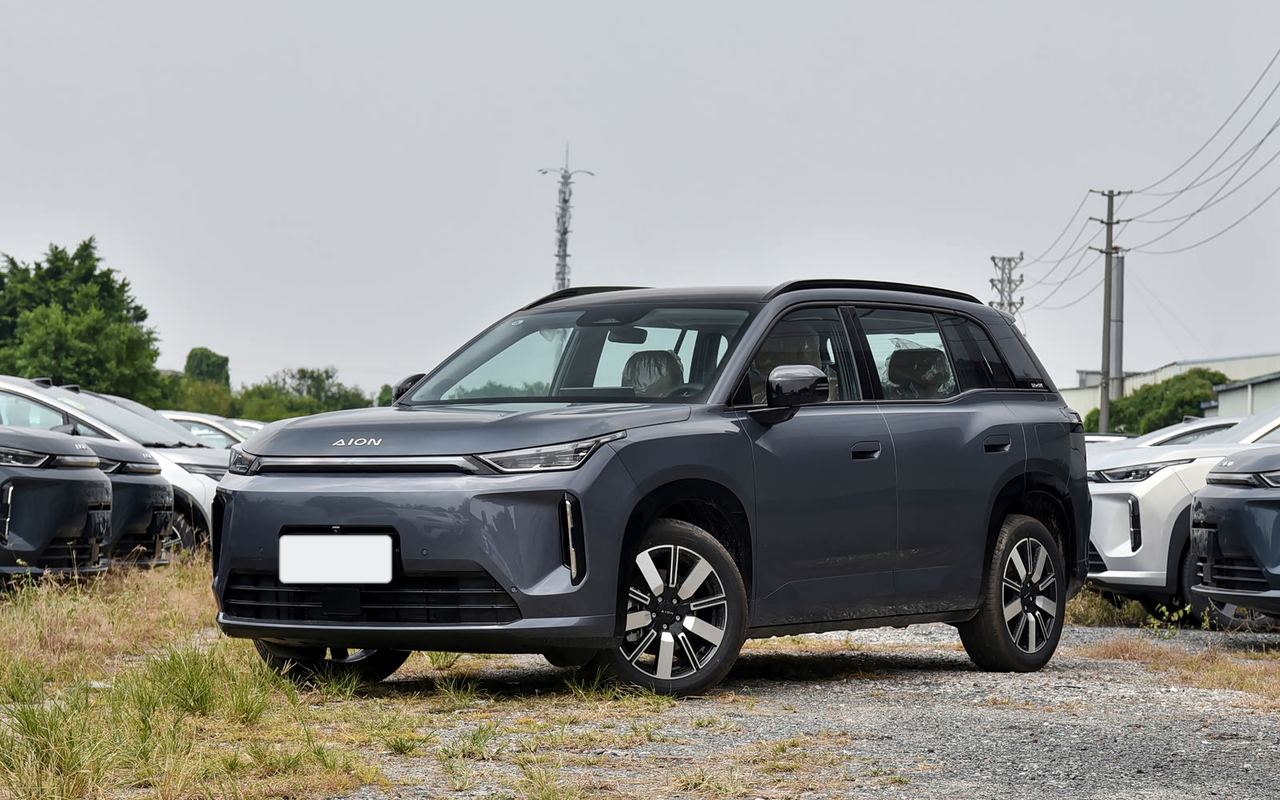
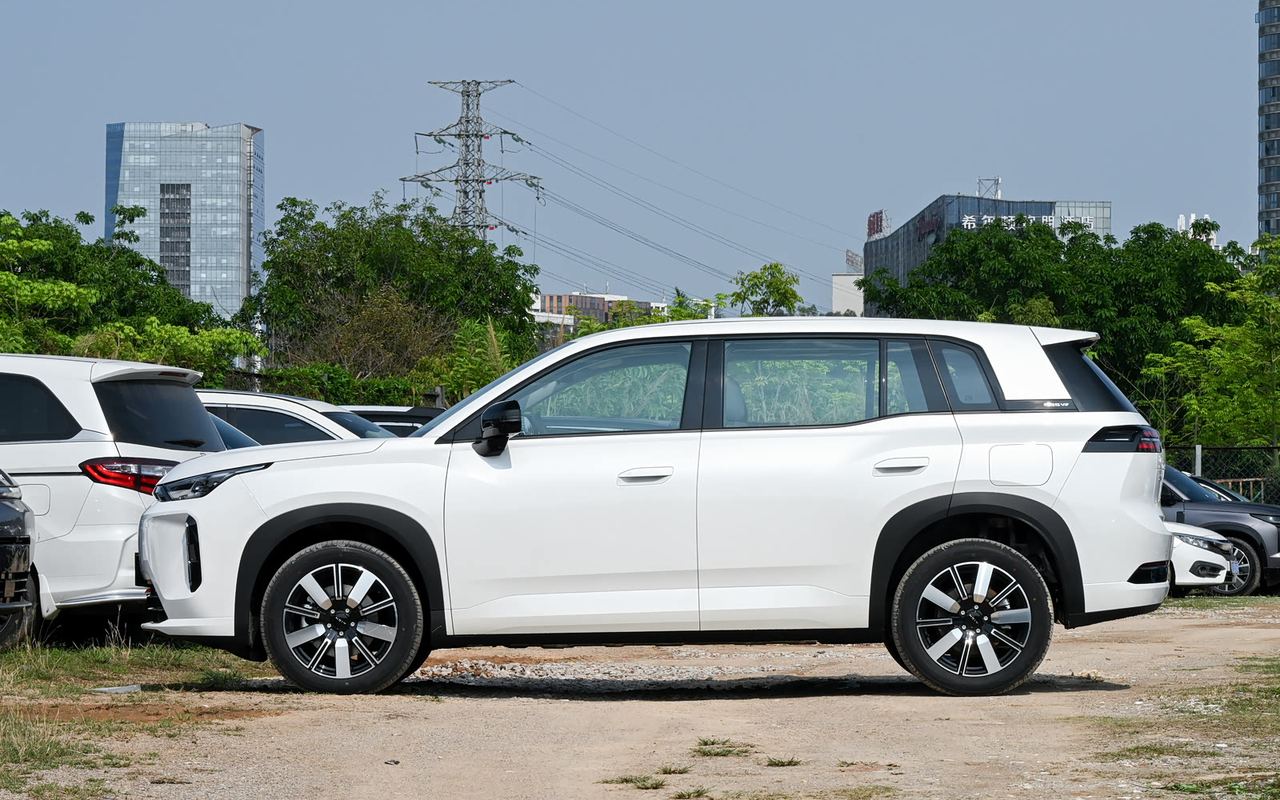
The AION i60 is 4,685 mm long and 1,660 mm tall. That means two cars flat in a 40ft high cube, and three or sometimes four with racking. Here is the arithmetic, the battery paperwork and when Ro-Ro is the better choice.
By EVtoU
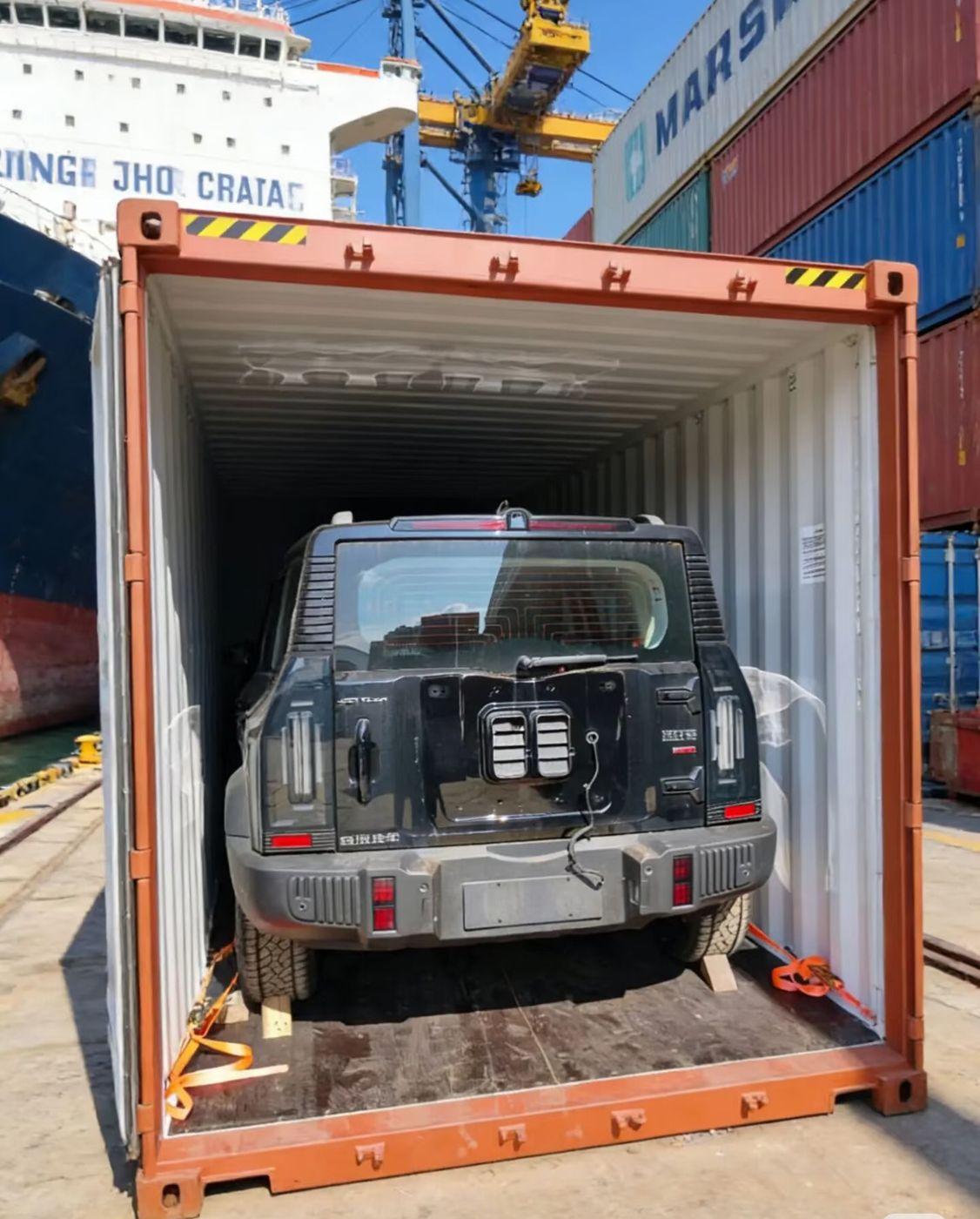
Short answer: two AION i60 fit in a 40ft high cube container when loaded flat, nose to tail. With a racking system that raises and tilts some cars, three units is a realistic plan and four may be possible, but only after the forwarder confirms it with a loading plan for this exact car. Length and height set the limit, not weight.
Every container with an i60 inside also travels as dangerous goods, because the car carries a lithium battery. Below is the arithmetic, the paperwork and a comparison with Ro-Ro.
What are the AION i60 and 40ft high cube dimensions?
| Measure | AION i60 | 40ft high cube (typical internal) |
|---|---|---|
| Length | 4,685 mm | About 12,032 mm |
| Width | 1,854 mm (1,876 mm on 2027 LiDAR trims) | About 2,352 mm |
| Height | 1,660 mm (1,690 mm on 2027 LiDAR trims) | About 2,698 mm |
| Door opening | - | About 2,340 mm wide x 2,585 mm high |
How many i60 fit when loaded flat?
- Length: two cars take 2 x 4,685 = 9,370 mm. Add about 300 mm between and around them for lashing and you use roughly 9.7 m of 12.03 m. A third car would need over 14 m, so it does not fit.
- Width: 1,854 mm of body in 2,352 mm leaves about 250 mm each side, less at the mirrors. That is enough to lash the wheels, but two cars side by side are impossible.
- Height: 1,660 mm leaves about a metre of empty space above each car, which is wasted unless you rack.
Result: two i60 per container flat, with about 2.3 m of spare floor. That space can carry tyres or accessories if the carrier's dangerous-goods rules allow them in the same box.
How many fit with racking?
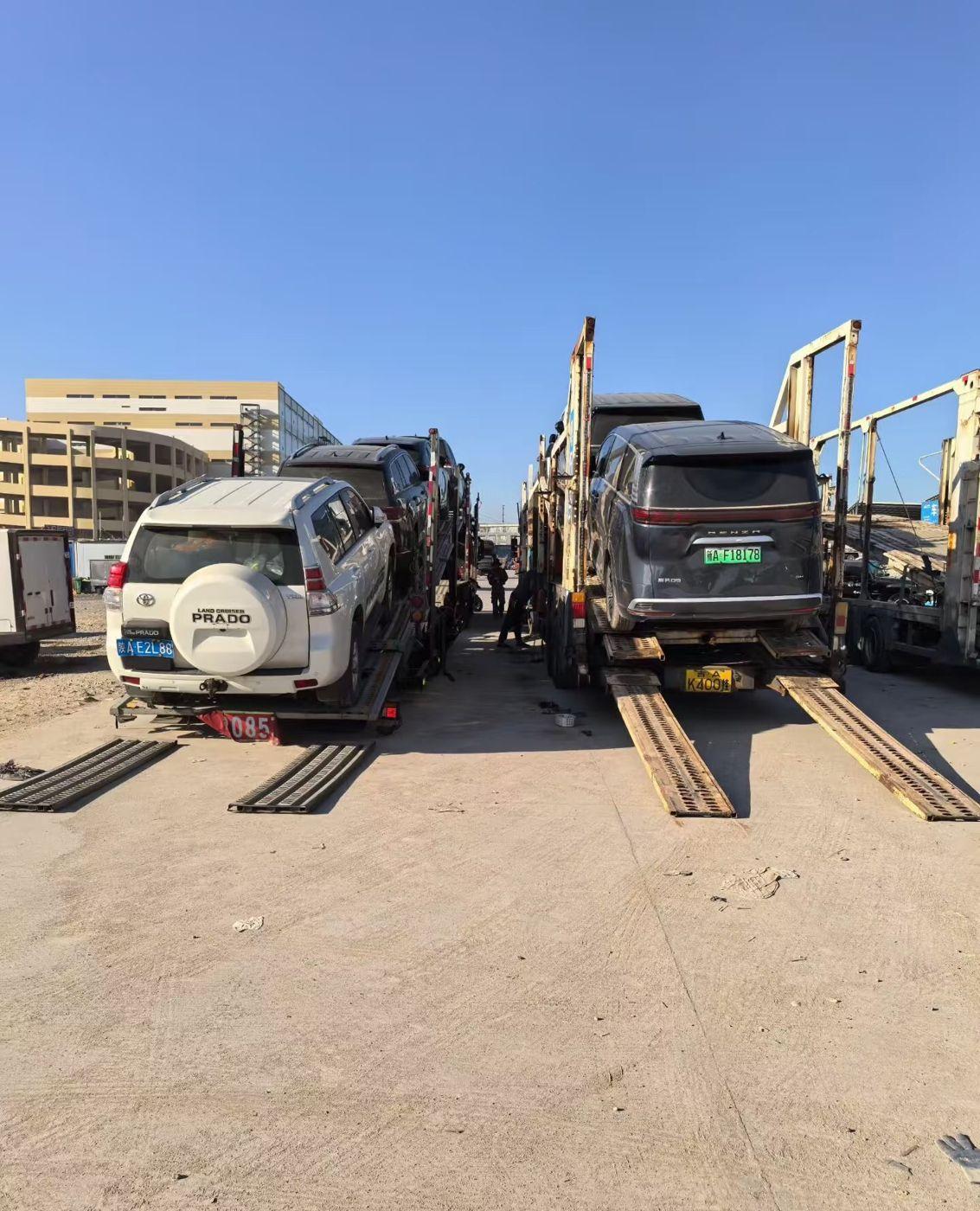
Straight stacking does not work: two i60 one above the other need 2 x 1,660 = 3,320 mm plus the rack, far more than 2,698 mm. Racking systems solve this by raising the upper car on a steel frame and tilting it, so its low end sits over the lower car's bonnet or tail, where the lower car is much lower than its roof height.
| Loading method | i60 per 40ft high cube | Notes |
|---|---|---|
| Flat, nose to tail | 2 | Simplest, no racks, easy to unload |
| Racked, one car raised and tilted | 3 | Common for compact SUVs; needs racks and skilled lashing |
| Racked, two cars raised and tilted | 4 (possible) | Tight for a 4,685 mm, 1,660 mm SUV; confirm with a trial plan |
Weight is not the problem: even four compact SUVs plus racks stay well inside the typical payload of a 40ft high cube. The real limits are the door height when driving or lifting cars in, keeping every wheel properly chocked on a tilted rack, and the roof LiDAR on 2027 LiDAR trims, which adds height and must be protected. Loading LiDAR trims flat is the safer choice.
Ask for the loading plan in writing before you pay freight. A quote that assumes four cars per container when only three fit raises your real cost per car.
What dangerous-goods rules apply?
Battery-powered vehicles are regulated as Class 9 dangerous goods at sea under the International Maritime Dangerous Goods (IMDG) Code, maintained by the International Maritime Organization. Recent IMDG amendments added a dedicated entry for lithium-ion battery powered vehicles, UN 3556. The i60 EREV also carries a petrol engine and tank, so its entry and fuel-level rules can differ from the BEV. Your forwarder confirms the entry the carrier accepts for each version.
- Dangerous-goods declaration prepared by the shipper or forwarder and accepted by the carrier before booking.
- Class 9 placards on the outside of the container.
- Undamaged battery: damaged or defective batteries follow much stricter rules.
- State of charge: carriers often set a maximum charge level for vehicles in containers; we charge each car to the level the booking requires.
- Fuel level for the EREV: carriers usually require a near-empty tank.
- Container packing certificate confirming the cars are loaded and secured correctly.
Container or Ro-Ro for the i60?
| Factor | 40ft high cube container | Ro-Ro vessel |
|---|---|---|
| Order size | 1 to a few cars, or mixed loads | Larger batches |
| Cars per unit | 2 flat, 3 to 4 racked | Charged per car by space |
| Protection | Sealed box, door to door | Enclosed vehicle decks |
| Destinations | Almost any container port, including inland depots | Ports with regular Ro-Ro calls |
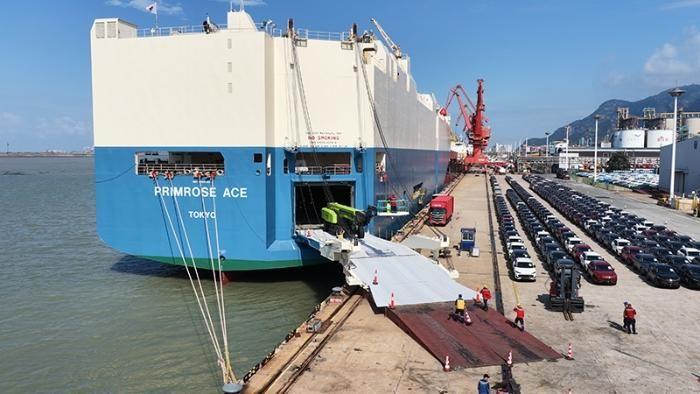
For a trial order of one or two cars, a container is usually the practical option. For larger batches to ports with regular car-carrier calls, Ro-Ro is often simpler. Gulf buyers can compare both in our UAE import guide, and fleet buyers can plan volumes on our fleet solutions page.
Can you mix the i60 with other models?
Yes. EVtoU accepts mixed trims and mixed models in one container and plans the loading to keep shipping cost per car down. A BEV and an EREV can share a box, and each battery vehicle is listed on the dangerous-goods declaration. Shipping fee and date are agreed per order. See every trim on the AION i60 vehicles page and the full order flow on our export process page.
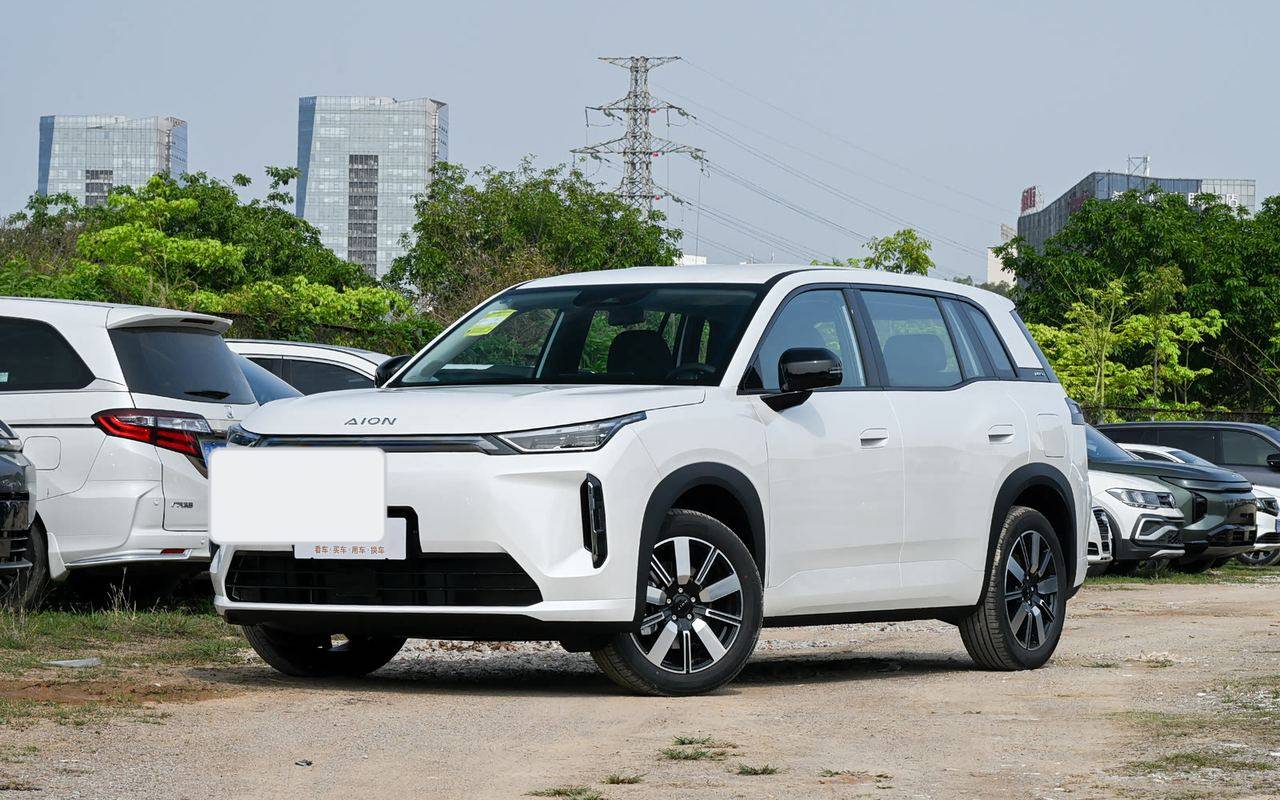
2026 · Range-extended (EREV) · LHD
GAC AION i60 2026 210 EREV Special Edition
- Total range
- 1,240 km
- Battery
- 29.165 kWh
- Power
- 180 kW
Export price
Price on request
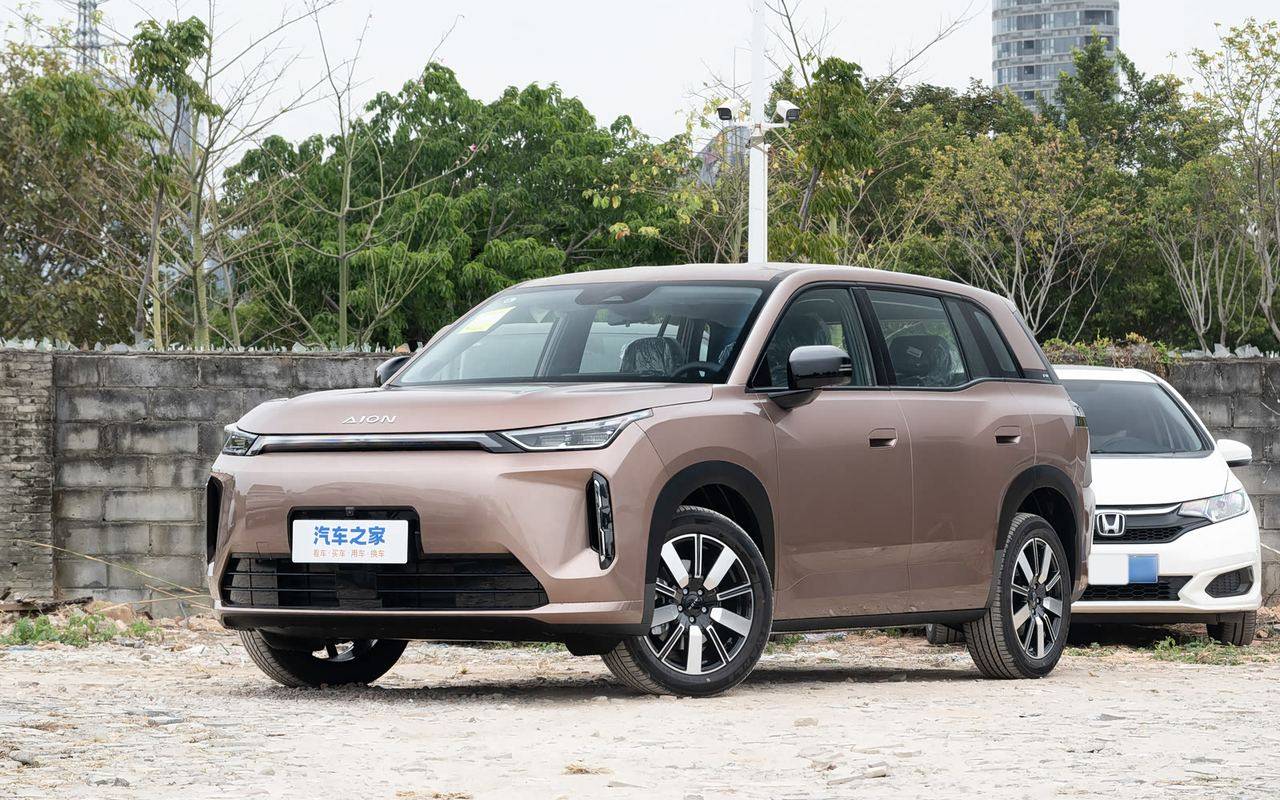
2026 · Electric (BEV) · LHD
GAC AION i60 2026 530 Standard
- Range
- 530 km
- Battery
- 62.268 kWh
- Power
- 150 kW
Export price
Price on request
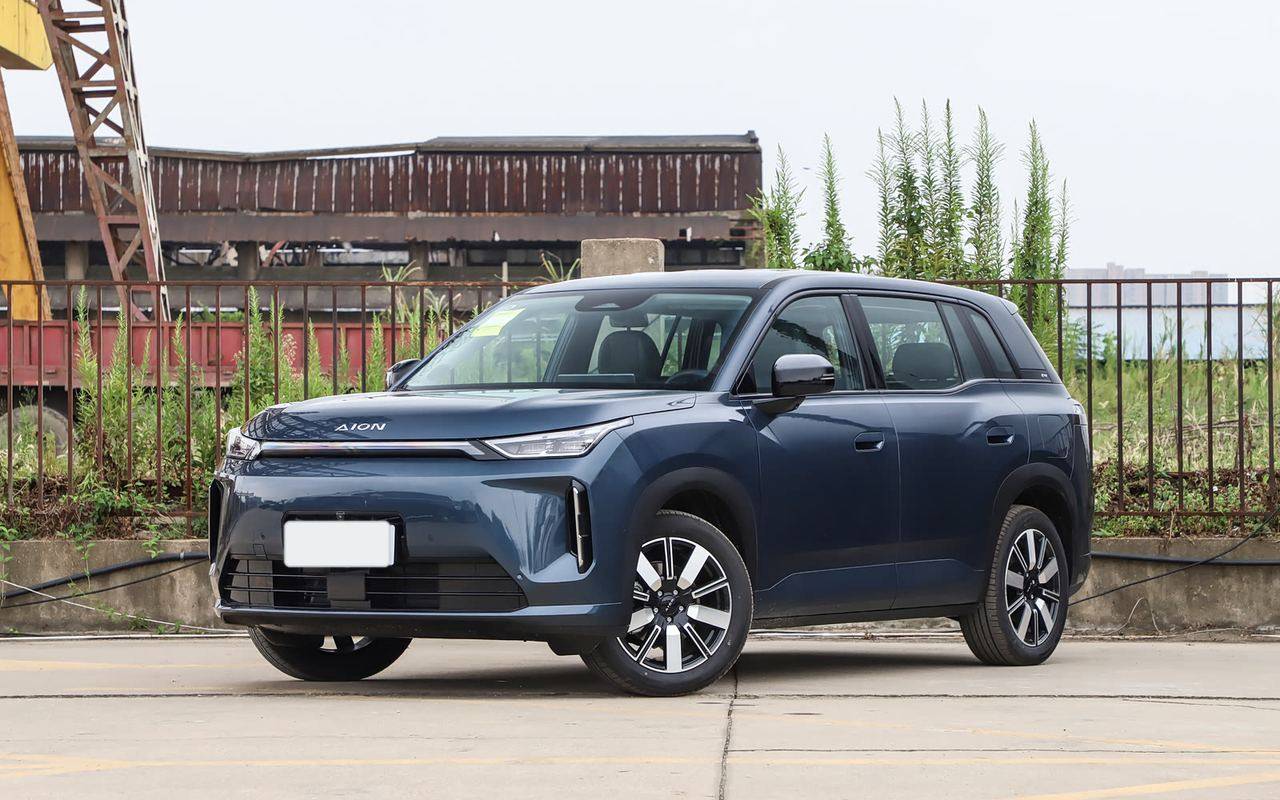
2027 · Electric (BEV) · LHD
GAC AION i60 2027 520 CATL
- Range
- 520 km
- Battery
- 56.68 kWh
- Power
- 165 kW
Export price
Price on request